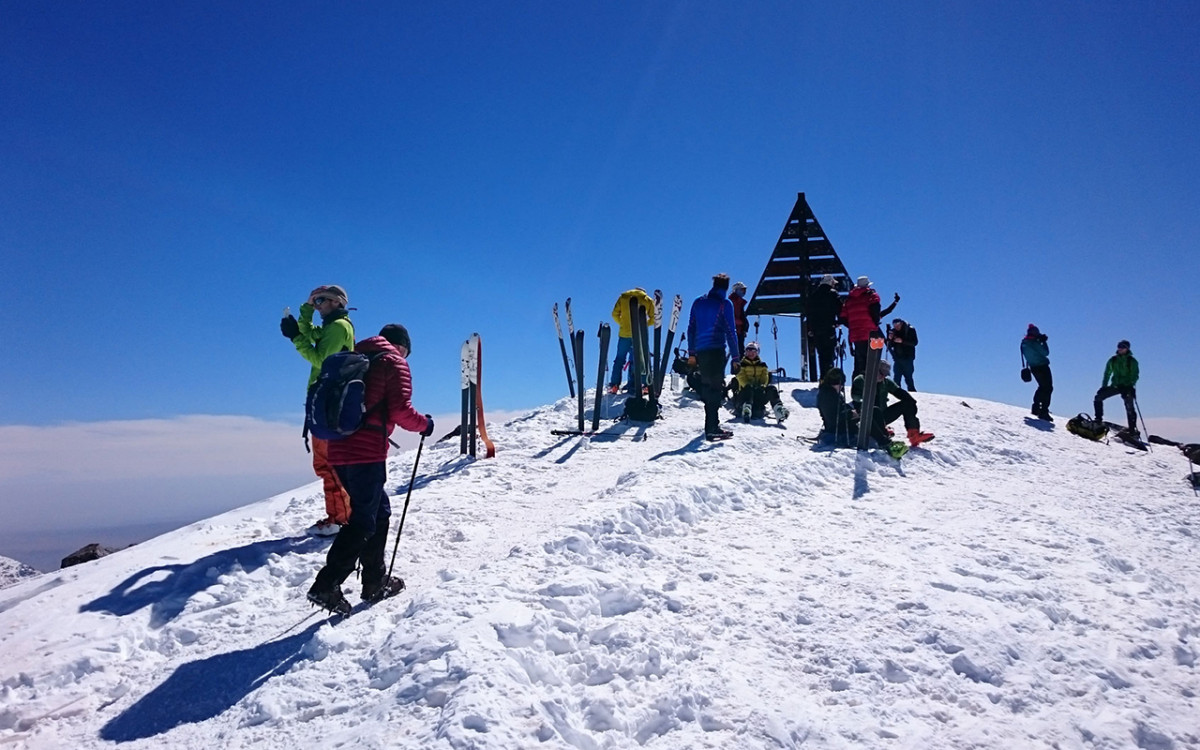
With Berber Magic Tours, a 3 day Atlas Mountain trek is one of the most rewarding ways to experience Morocco beyond its cities, markets, and coast. The Atlas range stretches across the country like a great stone spine, separating landscapes, climates, and ways of life. In just three days on foot, a traveler can move through inspiring valleys, terraced fields, walnut groves, rocky passes, and high ridges with views that seem to go on really forever.
3 Day Atlas Mountain Trek
What makes a 3 day Atlas Mountain trek special is not only the scenery, but also the rhythm of life. Walking through the area is a chance to slow down, breathe deeply, and enter a world shaped by nature, endurance, and hospitality. The trek usually begins in a small mountain village, often reached by road from Marrakech. The change feels immediate. City noise fades away and is replaced by birdsong, distant streams, the occasional bark of a dog, and the quiet movement of people going about daily life. Houses made of earth-colored stone blend into the slopes, as if they grew from the mountains themselves.
Before the trek truly begins, there is often time to meet a local guide, organize packs, and share a first glass of mint tea. That first moment sets the tone for the journey. In the Atlas, trekking is not only about covering distance, but also entering a landscape where human presence has adapted carefully to altitude, weather, and limited resources. The first day of this 3 day Atlas Mountain trek is often for adjustment. Body learns the pace of mountain walking, and mind begins to shed the habits of hurry.
Trails may pass through villages connected by ancient mule paths, crossing small bridges and climbing steadily through cultivated terraces. Along the 3 day Atlas Mountain trek, travelers often see orchards of apple, cherry, or walnut trees depending on the season. Women may be washing clothes near a stream, children are seen waving from a doorway, and shepherds witnessed guiding goats or sheep across the hillsides. These details matter because they turn the trek into something more than a scenic walk. They reveal that the Atlas Mountains are not empty wilderness, but a lived-in environment, full of memory, labor, and culture.
As the 3 day Atlas Mountain trek continues, the views widen. Valleys begin to open behind the trail, showing villages tucked into folds of land as well as peaks rising in the distance. The air grows cooler and cleaner. Lunch is often taken outdoors, perhaps beside a stream or under the shade of juniper trees. Simple food tastes better in the mountains, with fresh bread, olives, tomatoes, lentils, oranges, and hot tea. By afternoon, the path may become steeper as the route heads toward a mountain refuge, a guesthouse, or a family-run lodge where the night will be spent.
Reaching the first overnight stop brings a particular kind of satisfaction. Boots come off, tired legs rest, and the evening light turns the mountains pink, gold, and violet. Dinner is usually warm and generous, often a tagine or soup followed by tea. Sleep in the mountains comes easily. The second day is often the heart of this 3 day Atlas Mountain trek. By now, the group has found its rhythm. There is usually an early start, as morning in the Atlas can be one of the most beautiful times of day.
The sky is clear, light is sharp, and silence feels almost sacred. This is often the day of the highest pass or the most demanding ascent of this 3 day Atlas Mountain trek. The trail may leave vegetation behind and enter a more rugged landscape of bare rock, scree, and alpine slopes. Walking at higher altitude requires patience. Each step matters, and breathing becomes part of the effort in a more conscious way. Yet that challenge is exactly what gives the day its power. The mountains do not give their best views easily, but ask for commitment.
Standing on a high pass is a highlight in this 3 day Atlas Mountain trek. Wind moves across the ridge, clouds cast shadows on distant valleys, and every direction offers a new scale of beauty. Some slopes seem severe and empty, while others reveal hidden settlements or green lines where water flows. In certain areas, snow may still cling to the upper peaks even when the valleys are warm. If the route is near Jbel Toubkal, the highest mountain in North Africa, the greatness becomes even more striking.
However, even away from the famous peaks, the Atlas has a deep presence. It is not flashy beauty, but something older and more austere, a beauty built from stone, distance, and silence. The descent after a pass is easier because the climbing is over, but also harder as knees and feet feel the long downward movement. Still, there is pleasure in descending into a new valley, especially as signs of life reappear. Green patches, grazing animals, smoke from cooking fires, and the sound of water suggest welcome and rest in this 3 day Atlas Mountain trek.
By the second evening of this 3 day Atlas Mountain trek, travelers usually feel both tired and transformed. Conversations grow warmer. Mountain air sharpens appetite, and shared effort builds quiet friendship among strangers. Looking up at the stars from a remote lodge or camp can be one of the defining memories of the trek. In places far from city lights, the night sky appears immense and almost overwhelming. The mountains below become dark shapes, and the world feels at once vast and intimate.
The third day often carries a different mood. There is still walking to do, but also reflection. The body has adapted, and what felt difficult at first now feels natural. Trekkers notice more, with patterns of stone walls, smell of thyme or wild herbs underfoot, changing shape of clouds over the ridges, and way donkeys move carefully on narrow paths. Returning toward lower valleys or toward the final village, one begins to understand that a 3 day Atlas Mountain trek can still feel complete.
Three days is enough time to move beyond first impressions as well as experience something deeper, feel the local life and the physical reality of travel by foot. A 3 day Atlas Mountain trek also teaches humility. The mountains remind visitors that comfort, speed, and constant connection are not necessities. Water must be valued, and weather respected. Distances cannot be rushed without consequence. At the same time, the trek shows how rich a simpler rhythm can be.
Tea shared after a hard climb, bread baked in a village oven, a smile exchanged across language barriers, and the sight of evening light on a distant ridge can carry more meaning than many bigger forms of travel. There is also a cultural dimension that makes the area unique. Many communities in the range are Amazigh, with traditions, architecture, and languages that have deep roots in the region. A respectful 3 day Atlas Mountain trek allows travelers to witness this heritage not as a performance, but as part of everyday life.
Hospitality in the mountains is often quiet but sincere. Guests may be welcomed with tea, homemade bread, olive oil, and a place by the fire. These moments often remain as powerful as the landscapes themselves. The appeal of a 3 day Atlas Mountain trek is in its balance. It is challenging but accessible, remote yet human, physically demanding yet mentally restorative. It offers changing scenery, strong cultural encounters, and the satisfaction of moving through a powerful landscape under one’s own effort.
For travelers seeking a deeper connection with Morocco, a 3 day Atlas Mountain trek provides something lasting. Long after it ends, what remains is not only the memory of passes crossed and valleys walked, but also a feeling that for three days, life became clearer, quieter, and more real.